Shipping to Remote Areas in Nigeria: Challenges and How to Overcome Them
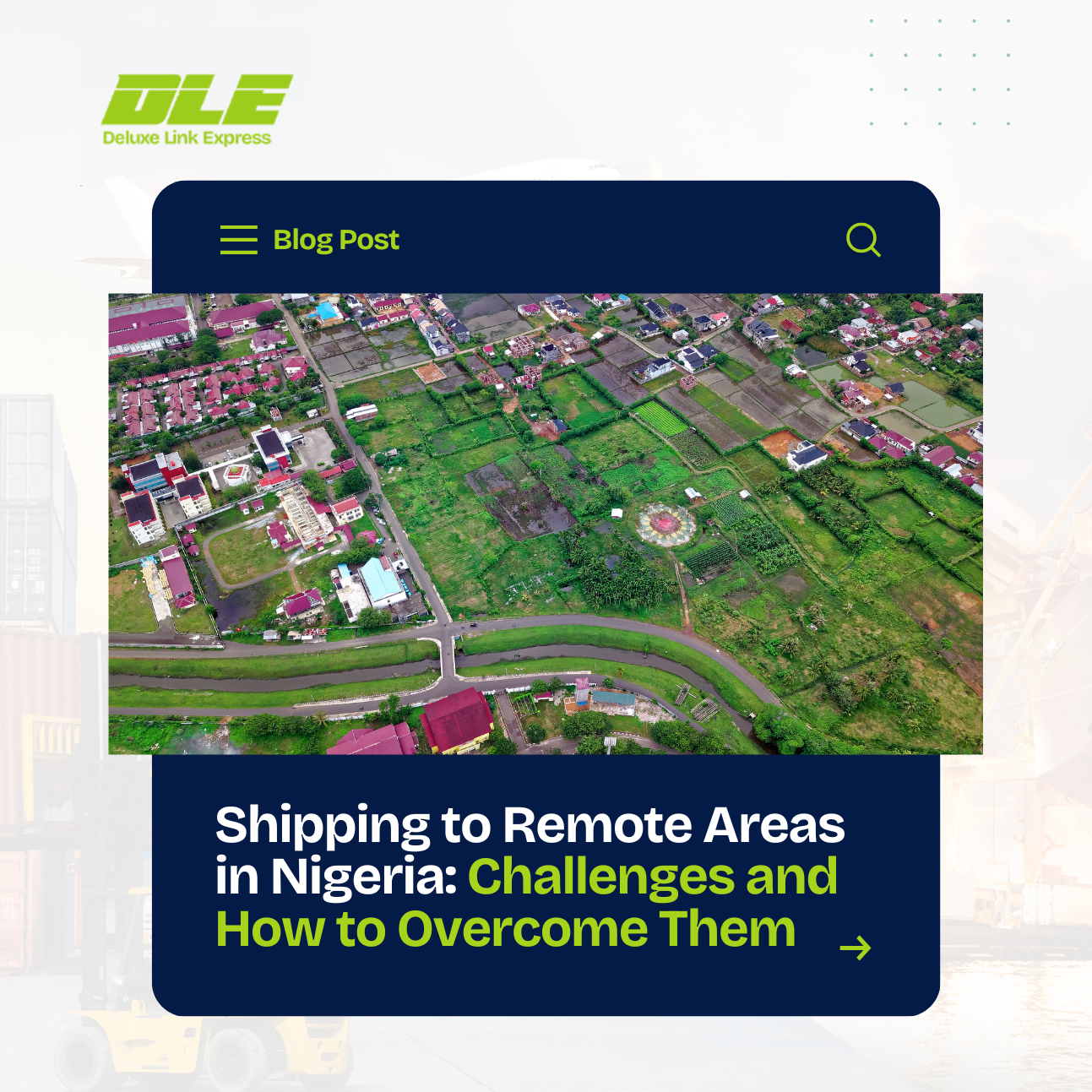
Reliable logistics and delivery services are essential for economic growth, especially in a country as large and diverse as Nigeria. However, shipping to remote areas in Nigeria remains one of the biggest challenges facing logistics companies, e-commerce businesses, and customers alike.
From poor road infrastructure to limited address systems, delivering packages to rural and hard-to-reach locations requires strategic planning and strong logistics networks. In this article, we explore the major challenges of remote area delivery and how logistics providers like Deluxe Link Express are helping to bridge the gap with innovative solutions.
Understanding Remote Area Shipping in Nigeria
Remote areas refer to locations that are far from urban centers and often lack developed infrastructure such as:
- Good road networks
- Standardized street addresses
- Reliable postal systems
- Access to fast transportation hubs
These areas are spread across rural communities in states like Oyo, Benue, Taraba, Cross River, Zamfara, and others.
For logistics companies, last-mile delivery in Nigeria becomes significantly more complex in these regions, requiring extra resources, planning, and local knowledge.
Key Challenges of Shipping to Remote Areas in Nigeria
1. Poor Road Infrastructure
One of the biggest obstacles in rural delivery in Nigeria is the condition of roads. Many rural communities are connected by:
- Untarred roads
- Seasonal routes affected by flooding
- Narrow paths inaccessible to delivery vehicles
This leads to delays, increased transportation costs, and sometimes failed deliveries.
2. Inadequate Addressing System
Unlike urban areas, many remote communities lack structured street names or house numbers. This makes package delivery in Nigeria difficult because:
- Customers are hard to locate
- Drivers rely on landmarks and directions
- Delivery times become unpredictable
3. High Transportation Costs
Delivering to remote areas often requires:
- Longer travel distances
- Fuel consumption on poor roads
- Vehicle maintenance due to rough terrain
These factors increase the overall cost of logistics services in Nigeria.
4. Security Concerns
Some rural areas may have security challenges such as:
- Theft or robbery risks
- Unstable regional conditions
- Limited law enforcement presence
Logistics companies must factor safety into route planning.
5. Limited Logistics Infrastructure
Many remote locations lack:
- Nearby warehouses
- Distribution hubs
- Courier pickup stations
This makes last-mile logistics in Nigeria more complicated and less efficient.
How Deluxe Link Express Overcomes These Challenges
Despite these challenges, modern logistics companies are finding innovative ways to improve delivery efficiency. Deluxe Link Express has developed practical solutions to ensure reliable shipping even in hard-to-reach areas.
1. Strategic Route Planning and Local Expertise
One of the most effective strategies is the use of optimized delivery routes combined with local knowledge. By understanding rural geography and travel conditions, delivery teams can:
- Reduce delivery delays
- Avoid risky or inaccessible routes
- Improve fuel efficiency
2. Use of Local Delivery Partners
To improve reach, logistics companies often collaborate with local agents who understand the community layout. This helps in:
- Faster customer identification
- Better communication with recipients
- Improved success rate for deliveries
3. Technology-Driven Tracking Systems
Modern logistics relies heavily on technology. With GPS tracking and real-time updates, customers can:
- Monitor shipments
- Get estimated delivery times
- Receive delivery notifications
This improves transparency and trust in shipping services in Nigeria.
4. Flexible Delivery Models
Instead of a one-size-fits-all approach, companies now use multiple delivery options such as:
- Door-to-door delivery
- Community pickup points
- Hybrid delivery systems for remote villages
This ensures better coverage across rural Nigeria.
5. Investment in Strong Fleet and Maintenance
Because rural roads are tough on vehicles, logistics providers invest in:
- Durable delivery vans
- Regular vehicle maintenance
- Specialized transport for rough terrains
This reduces breakdowns and improves reliability.
Tips for Successful Shipping to Remote Areas in Nigeria
If you are a business owner or e-commerce seller, here are practical tips:
- Always confirm detailed customer location descriptions
- Use a reliable logistics partner with rural experience
- Offer flexible delivery options
- Provide accurate contact information
- Communicate delivery expectations clearly
Working with experienced providers like Deluxe Link Express can significantly improve your delivery success rate.
The Future of Logistics in Remote Nigeria
The future of shipping to remote areas in Nigeria is gradually improving due to:
- Expansion of road infrastructure
- Growth of digital mapping tools
- Increased investment in logistics startups
- Adoption of drone and smart delivery solutions (emerging trend)
As technology and infrastructure improve, rural delivery will become faster, cheaper, and more reliable.
Conclusion
Shipping to remote areas in Nigeria is undeniably challenging due to infrastructure gaps, poor addressing systems, and high operational costs. However, with innovative strategies and technology-driven logistics solutions, these challenges can be overcome.
Companies like Deluxe Link Express are playing a key role in bridging the gap between urban commerce and rural accessibility, ensuring that no location is left behind in Nigeria’s growing e-commerce ecosystem.
If you are looking to expand your business reach or improve delivery efficiency, investing in a reliable logistics partner is no longer optional, it is essential.
Related Services
Related Posts


MARKETING EXECUTIVE
14 Aug 2026
MARKETING EXECUTIVE
13 Aug 2026

MARKETING EXECUTIVE
13 Aug 2026