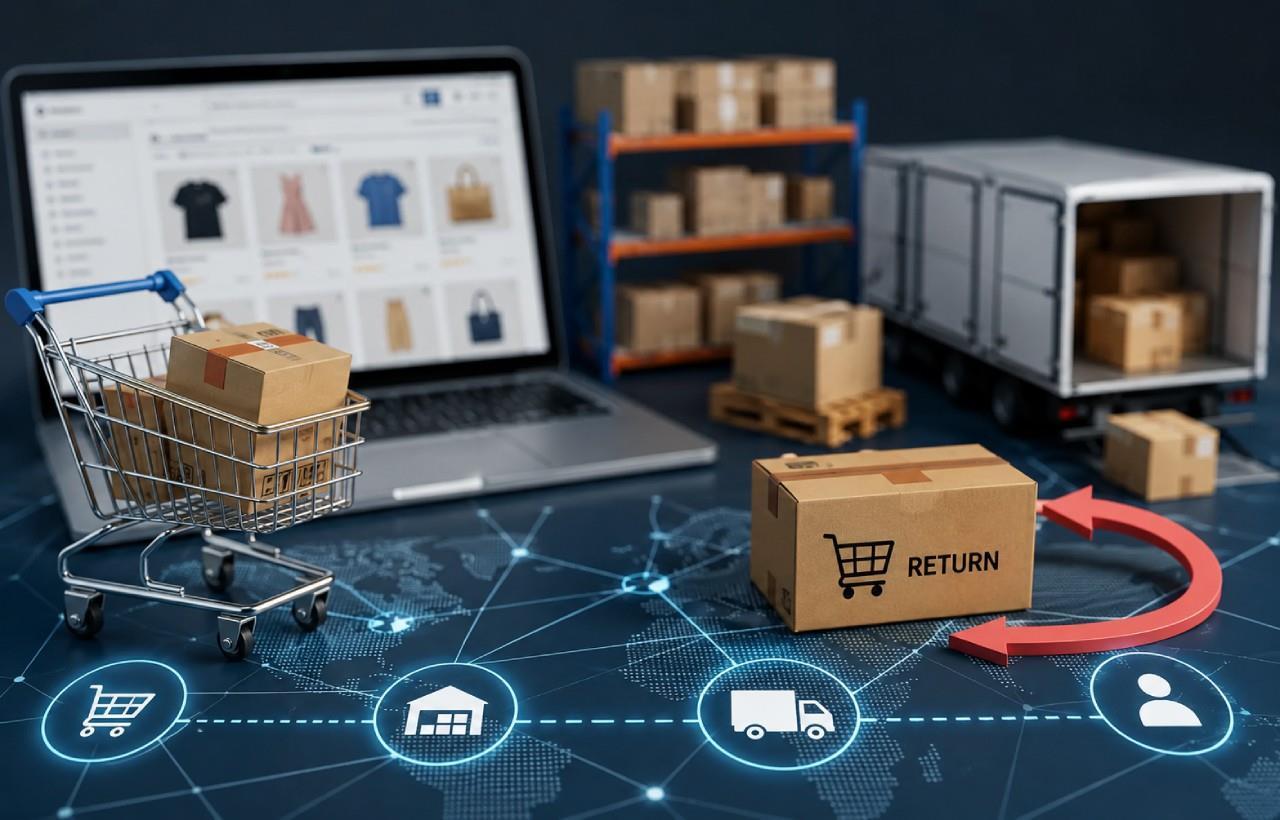
Product returns can be part of the challenges faced when running an e-commerce business, but a high return rate can quickly affect profit, customer satisfaction, and inventory management. While some returns happen because customers change their minds or receive products that do not meet expectations, others are caused by preventable delivery problems.
Poor delivery planning can lead to missed deliveries, incorrect addresses, damaged packages, and customers refusing shipments. By improving how orders are prepared, dispatched, tracked, and delivered, businesses can reduce avoidable returns and create a smoother customer experience.
How Delivery Problems Increase Return Rates
A return does not always begin with the product itself. The delivery process can also influence whether an order is successfully completed.
Common delivery-related causes of returns include:
- Incorrect or incomplete delivery addresses
- Customers being unavailable when delivery is attempted
- Delayed shipments that arrive later than expected
- Poor packaging that results in damaged goods
- Difficulty contacting customers before delivery
- Lack of shipment tracking or delivery updates
For online sellers, these issues can mean additional transportation costs, lost sales opportunities, and products spending more time in transit instead of reaching the customer.
5 Ways Better Delivery Planning Can Reduce Returns
1. Verify Delivery Details Before Dispatch
An incorrect address can turn a straightforward delivery into a failed delivery attempt. Before handing an order to a logistics provider, confirm essential details such as the customer\'s address, phone number, location, and any useful delivery instructions.
For businesses handling a large number of orders, making address verification part of the order fulfilment process can prevent avoidable delivery problems.
2. Set Realistic Delivery Expectations
Customers are less likely to be frustrated when they know when to expect their orders.
Businesses should provide realistic delivery timelines based on the destination, shipping option, and operational capacity. Avoid promising delivery dates that cannot consistently be met.
Clear communication about dispatch and expected delivery dates also gives customers an opportunity to make arrangements to receive their packages.
3. Use Shipment Tracking and Delivery Updates
Order tracking helps both businesses and customers know where a shipment is during the delivery process.
Sending relevant updates when an order is dispatched, in transit, out for delivery, or delivered can reduce uncertainty. It can also help businesses identify delayed shipments early and take action before they become failed deliveries.
4. Plan for Successful First-Time Delivery
A successful first delivery attempt can save time and reduce unnecessary logistics costs.
Where appropriate, delivery teams can contact customers before arrival, confirm availability, and provide an estimated delivery window. For business customers, understanding receiving hours can also help prevent deliveries from arriving when a facility is closed.
The goal is simple: get the shipment to the right person, at the right place, at the right time.
5. Choose a Delivery Partner That Fits Your Business
Not every delivery service is suitable for every type of shipment. Businesses should consider factors such as delivery locations, shipment volume, package requirements, tracking capabilities, delivery speed, and customer support when choosing a logistics partner.
A reliable delivery process should support the customer experience rather than create additional problems after an order has been placed.
What About Returns Caused by Damaged Products?
Better delivery planning also includes proper packaging and handling.
Products should be packaged according to their size, weight, material, and level of fragility. Fragile or sensitive items may require additional protection during transportation.
Businesses should also communicate any special handling requirements to their logistics provider. Preventing damage before a package reaches the customer is usually more efficient than managing a return afterwards.
How Businesses Can Monitor Delivery-Related Returns
Reducing return rates requires more than simply tracking the number of products sent back. Businesses should look for patterns in their returns.
Useful questions include:
- How many returns are caused by failed deliveries?
- Which locations have the highest rate of delivery issues?
- How often are incorrect addresses responsible for failed deliveries?
- How many shipments require multiple delivery attempts?
- Are certain products more likely to arrive damaged?
- Are customers receiving orders within the promised timeframe?
These insights can help businesses identify where their delivery process needs improvement.
Frequently Asked Questions
Can better delivery planning reduce product returns?
Yes. Better delivery planning can reduce avoidable returns caused by incorrect addresses, failed delivery attempts, delays, damaged packages, and poor customer communication.
What is the biggest cause of delivery-related returns?
There is no single cause for every business. Common problems include incorrect delivery information, customers being unavailable, delayed shipments, damaged goods, and unsuccessful delivery attempts.
How can e-commerce businesses reduce failed deliveries?
Businesses can improve address verification, provide accurate delivery estimates, send tracking updates, confirm customer availability where appropriate, and work with a logistics provider that can reliably serve their delivery locations.
Better Delivery Planning Starts Before the Package Leaves
Reducing return rates is not only about improving the product. It also requires looking at what happens between checkout and delivery.
When businesses verify delivery information, set realistic expectations, communicate with customers, and plan shipments carefully, they can prevent many avoidable delivery failures.
For e-commerce businesses and growing brands, a well-planned delivery process can mean fewer returns, lower logistics costs, and a better customer experience.
Deluxe Link Express helps businesses manage their deliveries with reliable logistics solutions designed to support smooth and efficient shipment fulfilment.
Related Services
Related Posts


MARKETING EXECUTIVE
14 Aug 2026

MARKETING EXECUTIVE
13 Aug 2026

MARKETING EXECUTIVE
13 Aug 2026