International Freight & Cargo Services in Nigeria: A Simple Guide for Importers and Exporters
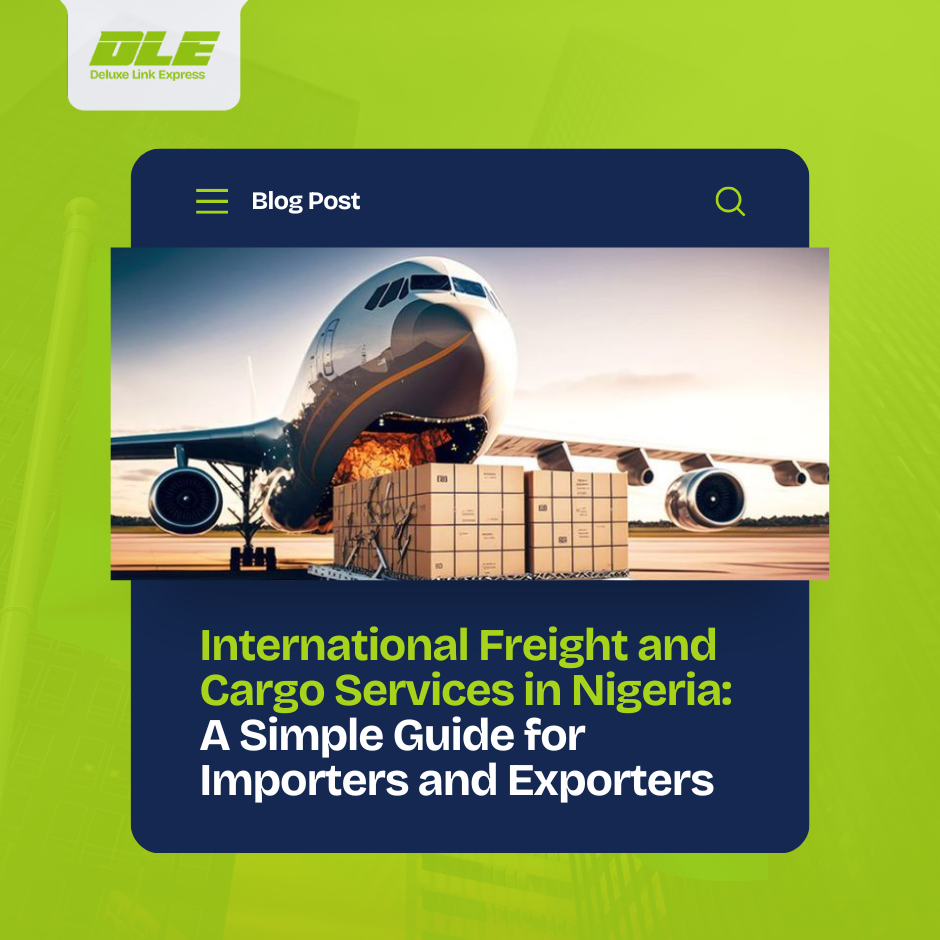
Moving goods across borders in Nigeria can feel overwhelming - unexpected delays, complex customs procedures, and rising shipping costs are common challenges for importers and exporters. Without the right guidance, even a simple shipment can quickly turn into a costly experience.
Understanding how international freight and cargo services in Nigeria work is essential for avoiding these pitfalls and ensuring your goods move efficiently from origin to destination.
What is International Freight & Cargo Services?
International freight services involve the movement of goods across borders via air, sea, or land, coordinated by logistics experts known as freight forwarders.
A freight forwarder handles:
- Shipping coordination (air freight, sea freight, road transport)
- Documentation and compliance
- Customs clearance
- Warehousing and delivery
In essence, they act as the bridge between your business and global markets.
Why Freight Forwarding is Important in Nigeria
Nigeria is one of Africa’s largest trading hubs, and freight forwarding is the backbone of its import-export system.
Here’s why it matters:
1. Simplifies Complex Shipping Processes
Shipping internationally involves regulations, paperwork, and coordination with multiple agencies. A freight forwarder ensures everything runs smoothly.
2. Ensures Customs Compliance
Nigeria has strict import/export regulations involving agencies like:
- Nigeria Customs Service (NCS)
- NAFDAC
- SON
Freight experts help you avoid costly delays or penalties.
3. Reduces Costs and Delays
Poor logistics planning can lead to demurrage, storage fees, and shipment delays. A reliable cargo service minimizes these risks.
Types of International Freight Services in Nigeria
Understanding your shipping options helps you choose the most cost-effective and efficient method.
Sea Freight (Most Popular)
- Ideal for bulk goods and heavy cargo
- Cost-effective for large shipments
- Common at ports like Apapa and Tin Can Island
Sea freight handles the majority of Nigeria’s imports due to its affordability.
Air Freight (Fastest Option)
- Best for urgent or high-value goods
- Faster delivery (1 - 5 days internationally)
- Higher cost compared to sea freight
Road Freight (Regional Trade)
- Used for cross-border trade within West Africa
- Suitable for landlocked destinations
Key Steps in the Import & Export Process
Here’s a simplified step-by-step process:
1. Documentation Preparation
Includes:
- Commercial invoice
- Packing list
- Bill of lading
- Form NXP (for exports)
Proper documentation is critical to avoid shipment delays.
2. Cargo Handling & Shipping
Your goods are:
- Picked up from supplier
- Packed and loaded
- Shipped via chosen transport mode
3. Customs Clearance
Freight forwarders handle:
- Duty payments
- Inspection
- Regulatory approvals
4. Final Delivery
Goods are transported to your warehouse or customer location.
Common Challenges Faced by Nigerian Importers & Exporters
Even experienced traders face challenges such as:
- Port congestion (especially in Lagos)
- Changing customs regulations
- High shipping costs
- Documentation errors
These issues can delay shipments for weeks if not properly managed.
How to Choose the Right Freight Forwarder in Nigeria
Choosing the right logistics partner is crucial for your business success.
Look for:
- Licensed and registered company (NSC & CAC compliance)
- Strong local presence in Nigeria
- Experience in your industry
- Transparent pricing
- Real-time shipment tracking
A good freight forwarder doesn’t just move goods, they help you scale your business globally.
Tips for First-Time Importers & Exporters
If you’re just starting out:
- Start with smaller shipments to reduce risk
- Understand Incoterms (FOB, CIF, EXW)
- Always verify your supplier and freight partner
- Budget for hidden costs like duties and port charges
- Work with professionals to avoid costly mistakes
Why Choose Deluxe Link Express for Your Freight Needs?
At Deluxe Link Express, we provide reliable and efficient international freight and cargo services in Nigeria tailored to your business needs.
Our services include:
- Air and sea freight forwarding
- Customs clearing and documentation
- Door-to-door delivery
- Warehousing and logistics support
- Real-time cargo tracking
We simplify global shipping so you can focus on growing your business.
Conclusion
International shipping doesn’t have to be complicated. With the right knowledge and a trusted logistics partner, Nigerian businesses can compete globally and expand with confidence.
Whether you’re importing electronics or exporting agricultural products, understanding freight forwarding in Nigeria is your first step to success.
Related Services
Related Posts


MARKETING EXECUTIVE
14 Aug 2026
MARKETING EXECUTIVE
13 Aug 2026

MARKETING EXECUTIVE
13 Aug 2026