Importing from China to Nigeria: A Beginner’s Guide for Entrepreneurs (2026)
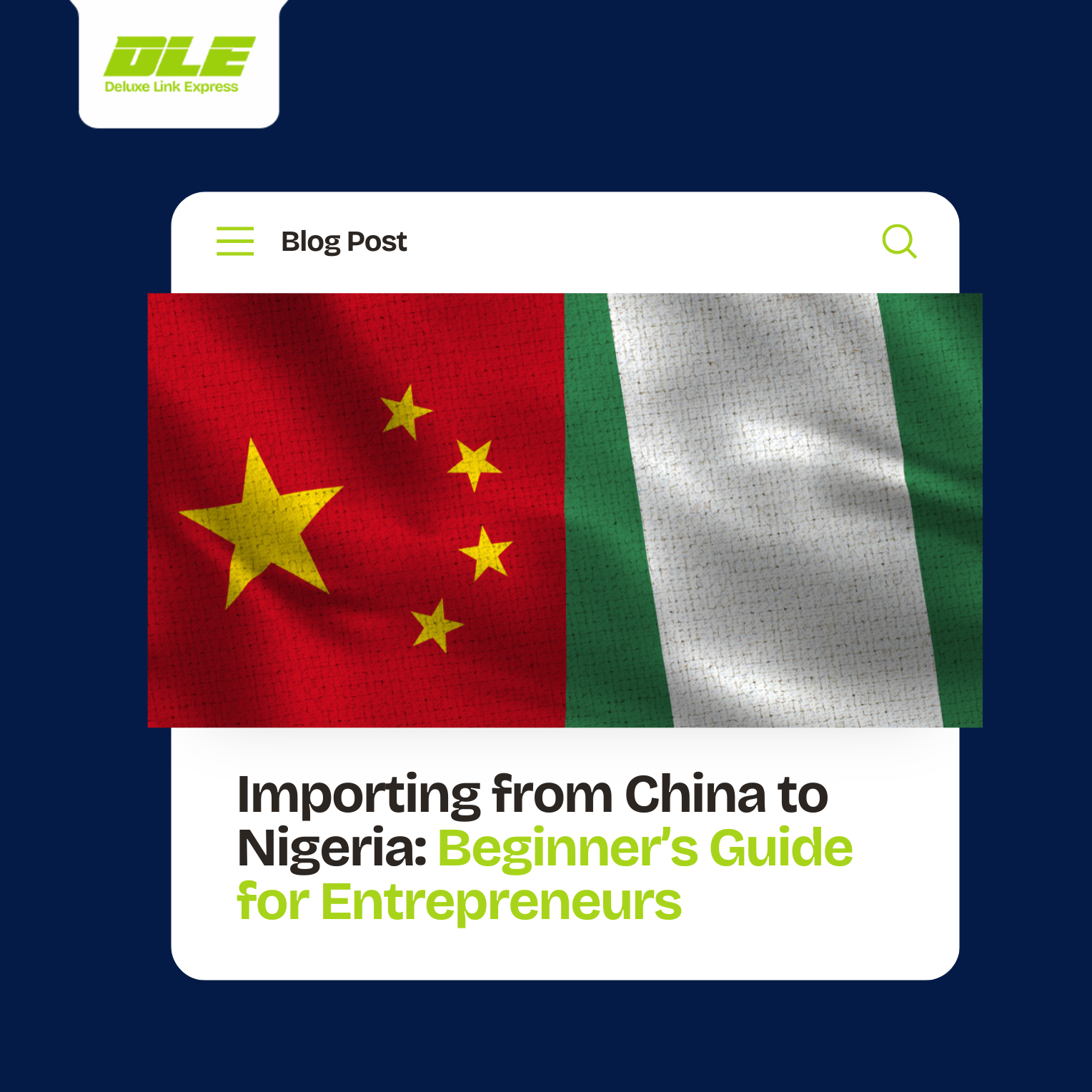
If you are an entrepreneur in Nigeria looking to start or scale a business, importing goods from China can be one of the most profitable strategies available today. China remains the world’s manufacturing hub, offering affordable products across nearly every category, from electronics and fashion to machinery and household items.
In this beginner-friendly guide by Deluxe Link Express, you’ll learn everything you need to know about importing from China to Nigeria, including step-by-step processes, costs, shipping methods, and tips to avoid costly mistakes.
Why Import from China to Nigeria?
Importing from China has become increasingly popular among Nigerian entrepreneurs for several reasons:
- Affordable product pricing – Lower production costs mean higher profit margins
- Wide product variety – Access to millions of products across industries
- Scalability – Easy to grow from small orders to bulk imports
- Global competitiveness – Ability to compete with established brands
Whether you\'re starting a mini importation business or expanding an existing one, China offers endless opportunities.
Step-by-Step Guide to Importing from China to Nigeria
1. Choose the Right Product
The success of your import business largely depends on your product selection. Focus on:
- High-demand products in Nigeria
- Lightweight and easy-to-ship items
- Products with good profit margins
- Low competition niches
Popular product ideas: fashion accessories, gadgets, phone accessories, beauty products, and home essentials.
2. Find Reliable Suppliers in China
Sourcing trustworthy suppliers is critical. Common platforms include:
- Alibaba
- 1688
- Made-in-China
When choosing a supplier:
- Check reviews and ratings
- Request product samples
- Verify business licenses
- Communicate clearly before placing orders
3. Understand Import Costs
Many beginners underestimate the total cost of importing. Key expenses include:
- Product cost
- Shipping fees (air freight or sea freight)
- Customs duties in Nigeria
- Clearing and handling charges
Always calculate your landed cost before ordering to ensure profitability.
4. Choose the Best Shipping Method
Shipping plays a major role in your business success. The two main options are:
Air Freight
- Faster delivery (5–10 days)
- Higher cost
- Ideal for small or urgent shipments
Sea Freight
- Cheaper for bulk goods
- Longer delivery time (4–8 weeks)
- Suitable for large-scale importers
Many beginners start with air freight before transitioning to sea freight as their business grows.
5. Work with a Trusted Freight Forwarder
A freight forwarder helps you:
- Handle shipping logistics
- Manage customs clearance in Nigeria
- Avoid delays and hidden charges
Deluxe Link Express provides reliable freight forwarding services from China to Nigeria, making the process smooth and stress-free for beginners.
6. Clear Your Goods in Nigeria
Once your goods arrive, they must go through customs clearance. Required documents typically include:
- Commercial invoice
- Packing list
- Bill of lading or airway bill
Working with experienced agents helps prevent unnecessary delays or penalties.
Common Mistakes to Avoid When Importing from China
Many new importers make costly errors. Avoid these mistakes:
- Ordering without samples
- Ignoring quality checks
- Choosing the cheapest supplier without verification
- Underestimating shipping and customs costs
- Not working with a reliable logistics partner
Learning from these mistakes early can save you time and money.
How Much Do You Need to Start?
One of the biggest advantages of importing from China is that you can start small. Many entrepreneurs begin with:
- ₦100,000 – ₦500,000 for mini importation
- ₦500,000+ for larger-scale businesses
Start with a manageable budget, test the market, and scale gradually.
Is Importing from China Still Profitable in 2026?
Yes, importing from China to Nigeria remains highly profitable, especially when you:
- Choose the right products
- Understand your target market
- Optimize your logistics and shipping costs
With Nigeria’s growing population and demand for affordable goods, opportunities in importation continue to expand.
Final Thoughts
Importing from China to Nigeria is one of the most accessible and scalable business opportunities for entrepreneurs today. While the process may seem complex at first, following the right steps and working with experienced partners can make it straightforward and profitable.
DLE is here to support you every step of the way from sourcing and shipping to clearing your goods in Nigeria.
Frequently Asked Questions (FAQs)
How long does it take to import goods from China to Nigeria?
Air freight takes about 5–10 days, while sea freight can take 4–8 weeks depending on shipping conditions.
What is the cheapest way to ship from China to Nigeria?
Sea freight is generally the most cost-effective option for large shipments.
Do I need a license to import goods into Nigeria?
In most cases, you may need proper registration and documentation, depending on the type of goods.
Can beginners start importing from China?
Yes, many successful entrepreneurs in Nigeria started with small-scale importation and grew over time.
Ready to start importing from China to Nigeria? Partner with Deluxe Link Express today for reliable and efficient shipping solutions.
Related Services
Related Posts


MARKETING EXECUTIVE
14 Aug 2026

MARKETING EXECUTIVE
13 Aug 2026

MARKETING EXECUTIVE
13 Aug 2026