Common Mistakes When Importing from China (And How to Avoid Them)
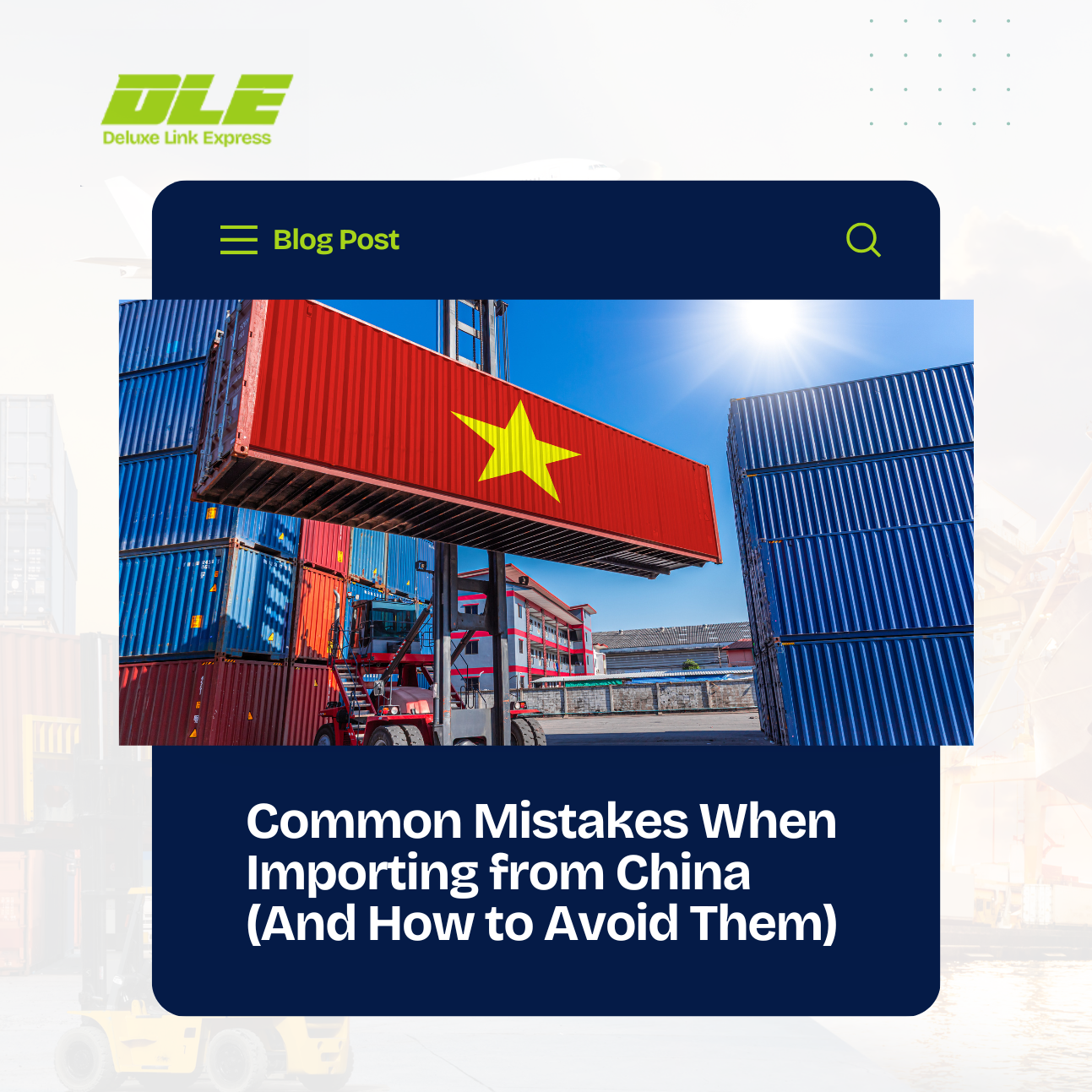
Importing products from China has become one of the most effective ways for businesses to reduce costs, access a wider range of products, and improve profit margins. However, while China remains a global manufacturing powerhouse, importing goods successfully requires careful planning and attention to detail.
Many first-time importers and even experienced businesses make costly mistakes that can lead to shipment delays, quality issues, unexpected expenses, and supply chain disruptions.
In this guide, we\'ll explore the most common mistakes when importing from China and provide practical tips to help you avoid them.
1. Choosing Suppliers Based Solely on Price
One of the biggest mistakes importers make is selecting a supplier simply because they offer the lowest price.
While saving money is important, extremely low prices can often signal:
- Poor product quality
- Lack of manufacturing experience
- Hidden costs
- Inconsistent production standards
- Potential scams
How to Avoid It
Always verify suppliers, request samples, check certifications, and confirm factory credibility before placing bulk orders.
2. Failing to Verify Product Quality
Many importers assume that the final shipment will match the sample they approved. Unfortunately, this isn\'t always the case.
Without proper quality control, businesses may receive products with:
- Manufacturing defects
- Incorrect specifications
- Damaged packaging
- Missing components
How to Avoid It
Use quality control checks such as pre-production and pre-shipment inspections, or work with third-party inspection services to ensure product consistency.
Quality checks can significantly reduce the risk of receiving unsellable products.
3. Ignoring Import Regulations and Compliance Requirements
Every country has regulations governing imported goods. Failing to comply with these requirements can result in:
- Customs delays
- Fines and penalties
- Product seizures
- Additional documentation requests
How to Avoid It
Working with an experienced freight forwarding company can help ensure compliance throughout the shipping process.
4. Underestimating Total Import Costs
Many businesses calculate only the product cost and overlook additional expenses associated with international trade.
Common hidden costs include:
- Freight charges
- Customs duties
- Import taxes
- Port handling fees
- Warehousing costs
- Insurance
- Last-mile delivery charges
How to Avoid It
Always calculate your landed cost before importing to understand the full cost of getting goods to your destination.
This helps prevent unexpected expenses and protects your profit margins.
5. Choosing the Wrong Shipping Method
Not every shipment requires the same transportation solution.
Selecting the wrong shipping option can lead to:
- Higher shipping costs
- Delayed deliveries
- Inventory shortages
How to Avoid It
Match your shipping method to your budget, product type, and delivery timeline.
Generally:
Air Freight is ideal for urgent or lightweight shipments.
Sea Freight is more cost-effective for large-volume imports.
A logistics partner can help you make the right decision.
6. Neglecting Proper Documentation
Importing goods from China requires accurate documentation. Even minor errors can cause customs clearance issues.
Common documents include:
- Commercial invoices
- Packing lists
- Bill of lading
- Certificate of origin
- Import permits (where required)
How to Avoid It
Ensure proper documentation, understand import regulations, and work with an experienced freight forwarding company for smooth customs clearance.
6. Working Without a Trusted Freight Forwarder
Handling international shipping alone can lead to delays, miscommunication, and unnecessary costs. Without professional support, the import process becomes more complex than necessary.
How To Avoid It:
Partner with a trusted freight forwarding company that understands China sourcing, customs clearance, and international shipping logistics.
Final Thoughts
Importing from China offers tremendous opportunities for businesses, but success depends on avoiding common mistakes that can impact profitability and customer satisfaction.
By carefully selecting suppliers, verifying product quality, understanding import regulations, calculating total landed costs, and working with experienced logistics professionals, businesses can significantly reduce risks and build a more efficient supply chain.
Need help with importing from China? Contact Deluxe Link Express today for expert freight forwarding and logistics solutions tailored to your business needs.
Related Services
Related Posts


MARKETING EXECUTIVE
14 Aug 2026
MARKETING EXECUTIVE
13 Aug 2026

MARKETING EXECUTIVE
13 Aug 2026