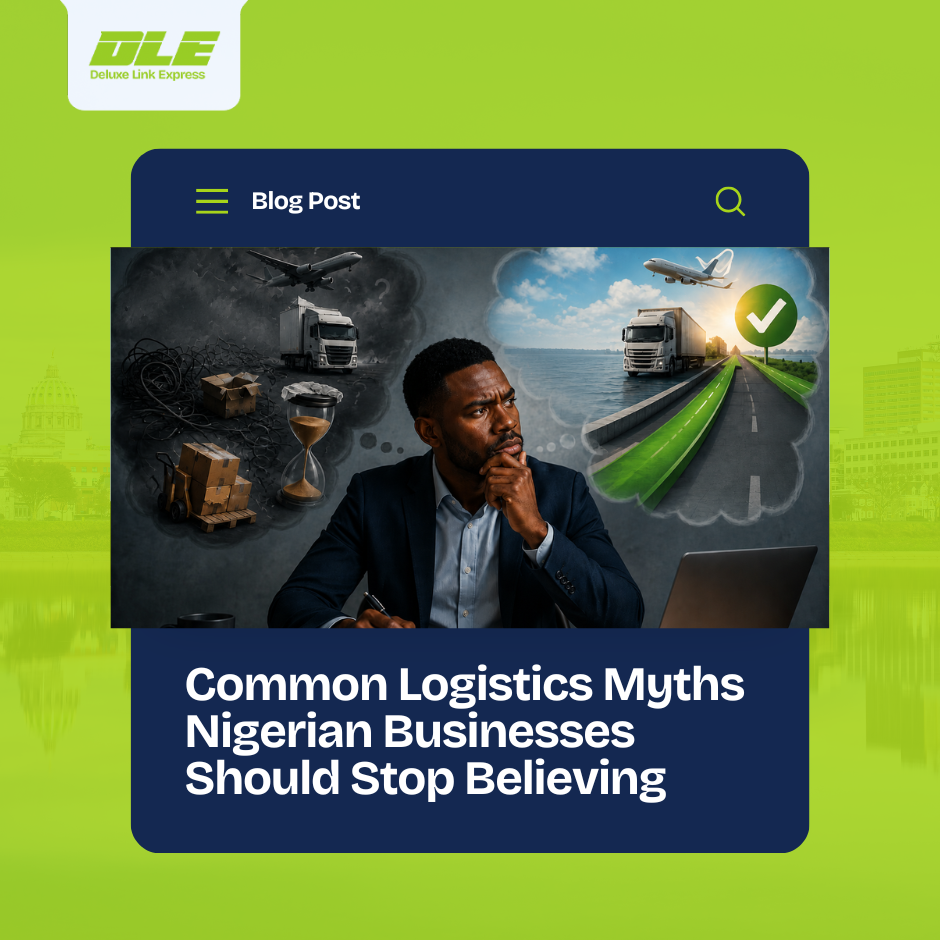
Many Nigerian businesses lose customers, overspend on deliveries, and struggle with delayed shipments not because logistics is complicated, but because they rely on outdated assumptions.
Whether you run an e-commerce store, manage corporate shipments, own a manufacturing business, or operate as an SME, understanding how logistics actually works can help you make better business decisions.
In this article, we will debunk some of the most common logistics myths Nigerian businesses still believe and explain what really matters when choosing a logistics partner.
Why Logistics Misconceptions Can Cost Your Business
Logistics is no longer just about moving packages from one location to another. It directly affects:
- Customer satisfaction
- Business reputation
- Operational efficiency
- Inventory management
- Profitability
- Repeat purchases
Believing the wrong information can lead to unnecessary expenses, poor customer experiences, and slower business growth.
Let\'s separate fact from fiction.
Myth 1: The Cheapest Delivery Option Is Always the Best
This is one of the biggest misconceptions among Nigerian businesses.
While choosing the lowest-priced courier may seem like a way to save money, cheaper services can sometimes come with hidden costs such as:
- Delayed deliveries
- Poor communication
- Damaged packages
- Limited tracking
- Higher customer complaints
Instead of looking only at delivery cost, consider the overall value.
Ask questions like:
- Is shipment tracking available?
- How reliable are delivery timelines?
- How are delivery issues resolved?
- Does the provider offer customer support?
A dependable logistics partner can actually reduce business costs over time by improving customer retention and reducing failed deliveries.
Myth 2: Logistics Is Only Important for Large Companies
Many small businesses assume professional logistics solutions are only for large corporations.
The reality is that every business that moves products can benefit from efficient logistics.
Whether you sell:
- Fashion items
- Electronics
- Food products
- Cosmetics
Reliable delivery helps create a better customer experience.
As online shopping continues to grow in Nigeria, customers expect timely and professional deliveries regardless of the size of the business.
Myth 3: All Logistics Companies Offer the Same Service
Not all logistics providers operate the same way.
Some specialise in:
- Same-day delivery
- Nationwide delivery
- International shipping
- Business-to-business (B2B) logistics
Others may focus only on specific regions or shipment types.
When choosing a logistics company, consider factors beyond pricing, including:
- Coverage areas
- Delivery speed
- Shipment tracking
- Customer service
- Industry experience
The right logistics partner should align with your business needs rather than offering a one-size-fits-all service.
Myth 4: Faster Delivery Always Means Better Delivery
Speed matters but reliability matters even more.
A delivery promised within a few hours means little if it arrives late, damaged, or at the wrong address.
Customers value:
- Accurate delivery updates
- Consistent delivery timelines
- Professional handling
- Secure packaging
- Clear communication
Reliable logistics combines speed with consistency.
Myth 5: Delivery Tracking Isn\'t Necessary
Some businesses believe customers only care about receiving their orders.
In reality, today\'s customers also want visibility.
Shipment tracking offers several advantages:
- Reduces customer anxiety
- Minimises \"Where is my order?\" enquiries
- Improves transparency
- Builds trust
- Helps businesses monitor delivery performance
For businesses managing multiple shipments, tracking also improves internal operations and reporting.
Myth 6: Outsourcing Logistics Means Losing Control
Some business owners worry that working with a third-party logistics provider means giving up control over customer experience.
In reality, outsourcing logistics often gives businesses:
- Better shipment visibility
- Access to logistics expertise
- Improved delivery management
- Time to focus on sales and operations
- Scalable delivery solutions
With the right logistics partner, businesses gain support not lose control.
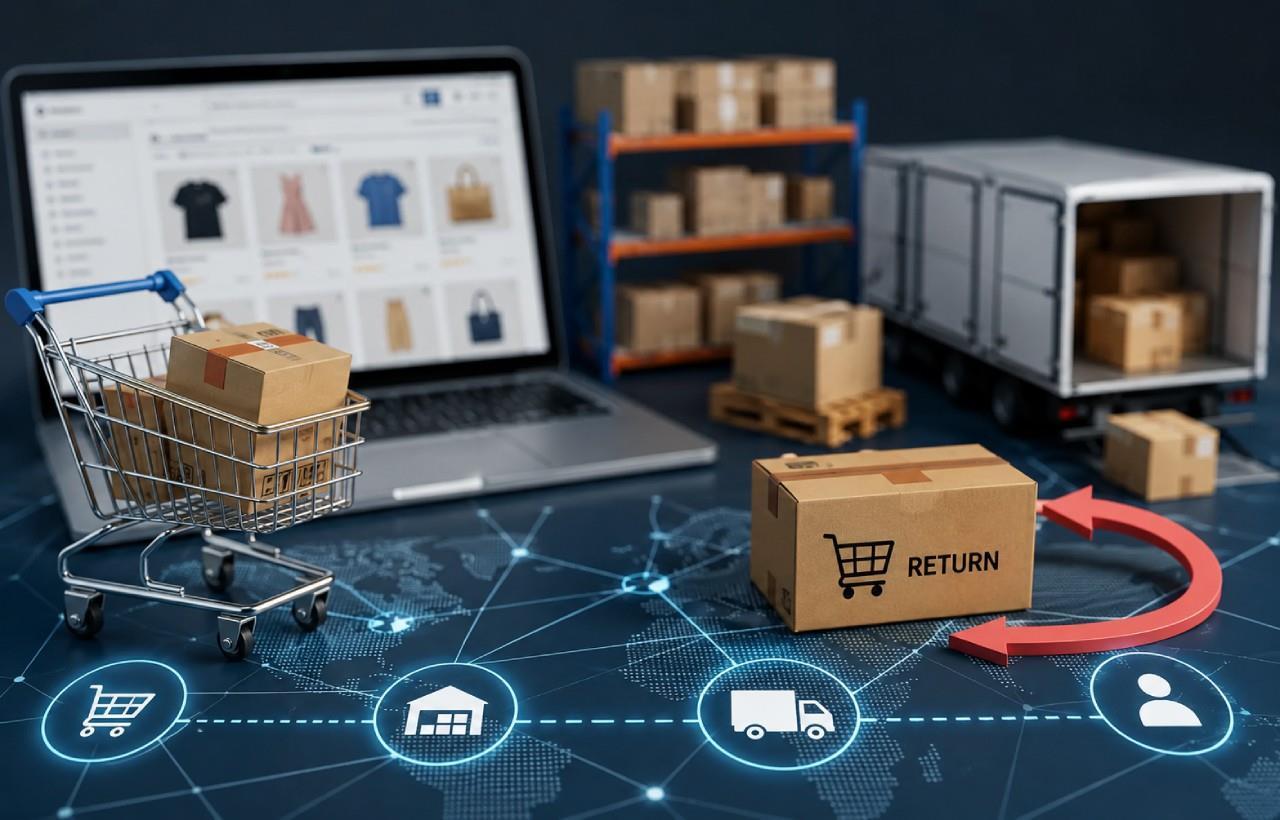
Myth 7: Logistics Ends Once a Package Leaves the Warehouse
Delivery is only one stage of the logistics process.
Effective logistics also includes:
- Order processing
- Inventory coordination
- Route planning
- Shipment monitoring
- Customer communication
- Delivery confirmation
- Returns management
Every stage contributes to a smooth customer experience.
Myth 8: Delayed Deliveries Are Always the Logistics Company\'s Fault
While logistics providers work to deliver shipments efficiently, several external factors can affect delivery timelines.
Examples include:
- Severe weather conditions
- Traffic congestion
- Incomplete delivery addresses
- Restricted access to delivery locations
- Customer unavailability
- Security-related disruptions
Providing accurate delivery information and maintaining clear communication can help minimise avoidable delays.
Myth 9: Professional Logistics Is Too Expensive for SMEs
Many small businesses believe they cannot afford quality logistics services.
However, poor logistics can be far more expensive.
Common hidden costs include:
- Lost customers
- Refund requests
- Failed deliveries
- Product damage
- Negative online reviews
- Additional delivery attempts
Investing in dependable logistics often helps businesses save money while strengthening customer relationships.
Myth 10: Logistics Doesn\'t Affect Customer Loyalty
Many businesses think customers only remember the product they purchased.
In reality, customers remember the entire buying experience.
A positive delivery experience encourages:
- Repeat purchases
- Positive reviews
- Referrals
- Brand trust
- Customer retention
For many businesses, logistics has become a competitive advantage rather than just an operational necessity.
Frequently Asked Questions (FAQs)
What are common logistics myths?
Some of the most common logistics myths include believing that the cheapest courier is always the best, all logistics companies offer identical services, shipment tracking is unnecessary, and logistics is only important for large businesses.
Why is logistics important for Nigerian businesses?
Efficient logistics helps businesses reduce delivery delays, improve customer satisfaction, optimise operations, and support long-term business growth.
How do I choose the right logistics company in Nigeria?
Look beyond pricing. Consider reliability, service coverage, shipment tracking, customer support, delivery timelines, and experience handling your type of shipments.
Can small businesses benefit from professional logistics services?
Yes. Small businesses can improve customer satisfaction, reduce operational challenges, support business growth and compete more effectively in today\'s market.
Final Thoughts
Logistics plays a much bigger role in business success than many people realise.
By moving beyond common misconceptions, Nigerian businesses can make smarter decisions about shipping, fulfilment, and supply chain management. The goal isn\'t simply to move products from one place to another it\'s to create a reliable delivery experience that supports customer satisfaction and long-term business growth.
At Deluxe Link Express, we understand that every business has unique delivery needs. Our logistics solutions are designed to help businesses move goods efficiently, maintain visibility throughout the delivery process, and support smooth operations across Nigeria and beyond.
Related Services
Related Posts


MARKETING EXECUTIVE
14 Aug 2026
MARKETING EXECUTIVE
13 Aug 2026

MARKETING EXECUTIVE
13 Aug 2026